Tropical Blog

סבון מוצק וטבעי לגברים? או סבון תעשייתי? הגיע הזמן לדבר על זה
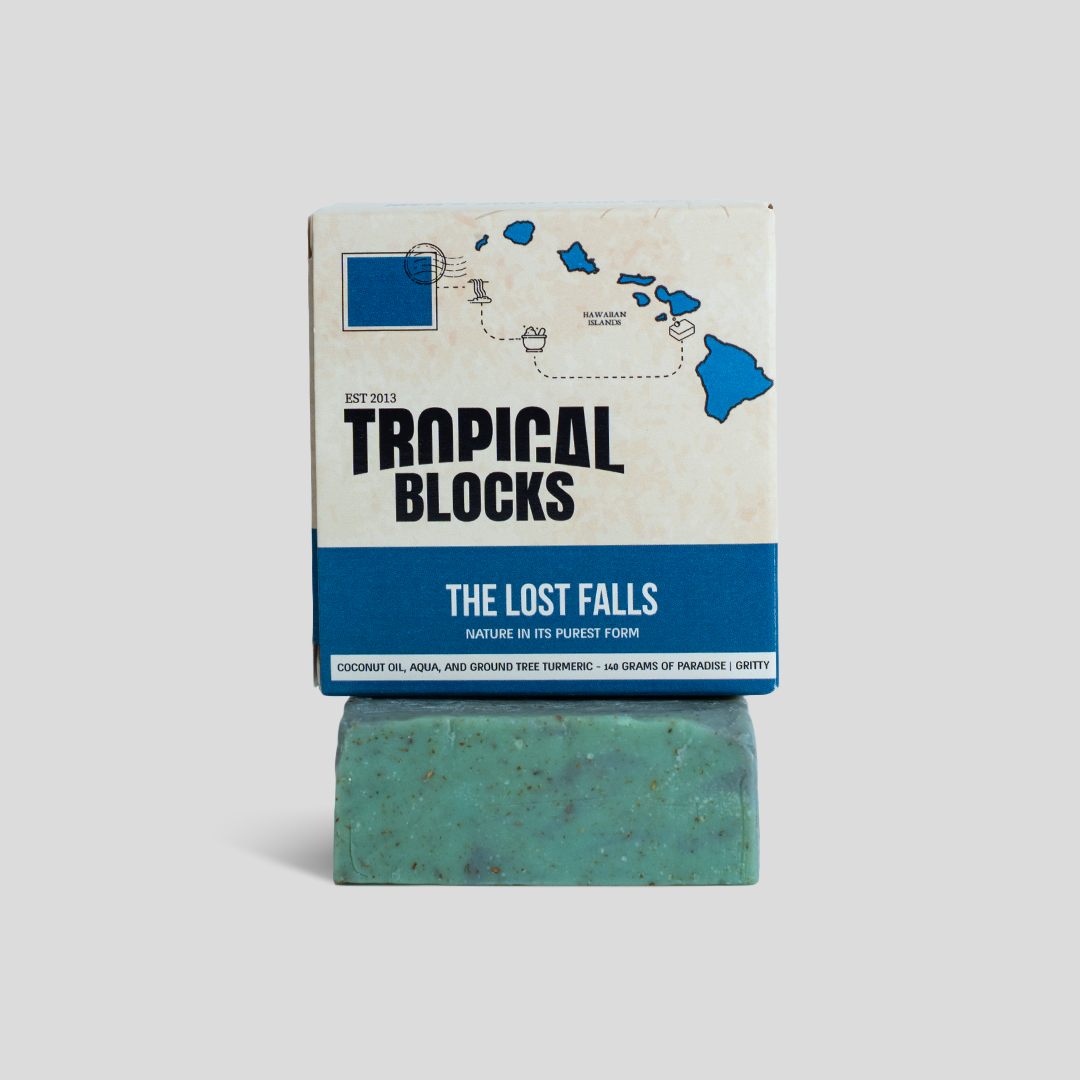
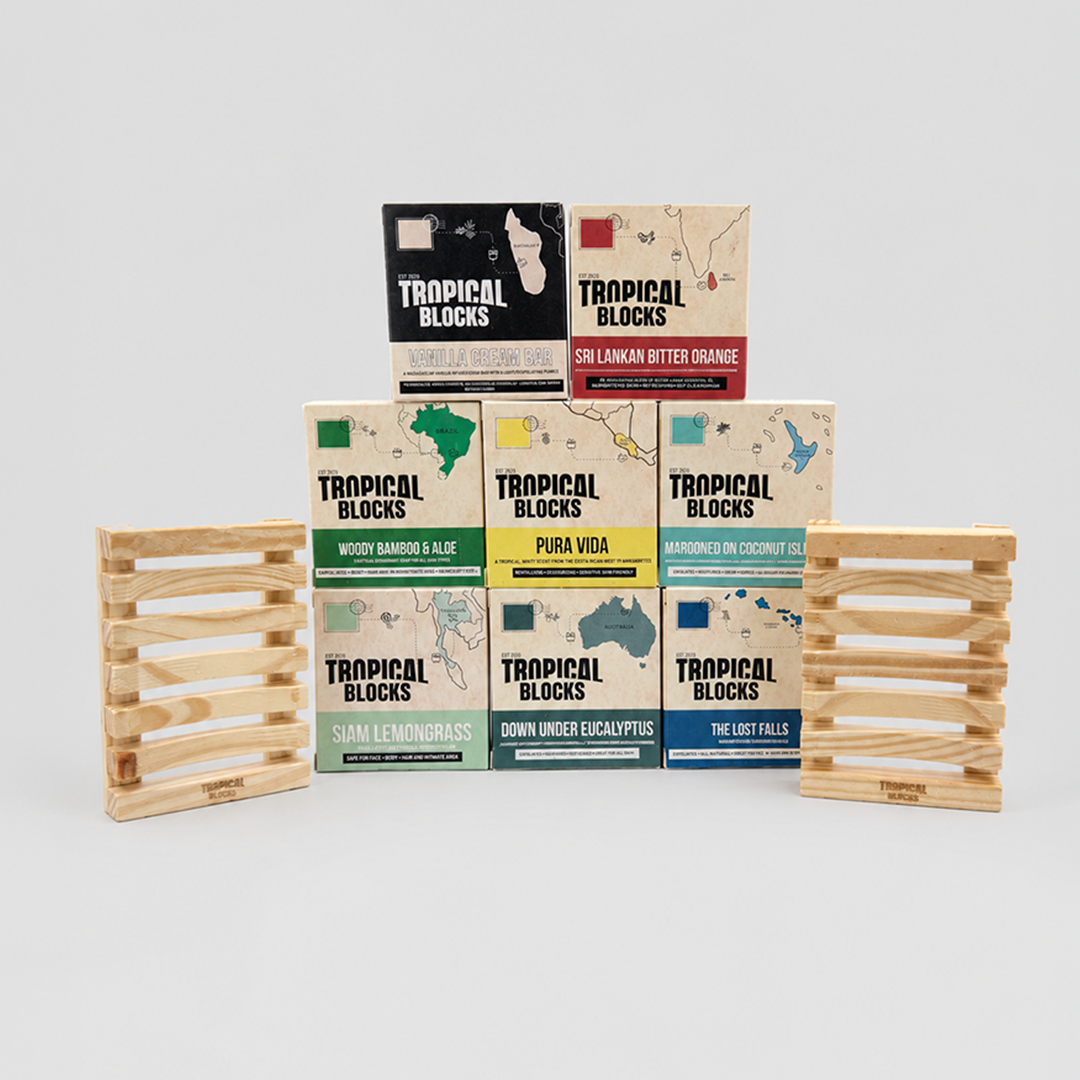
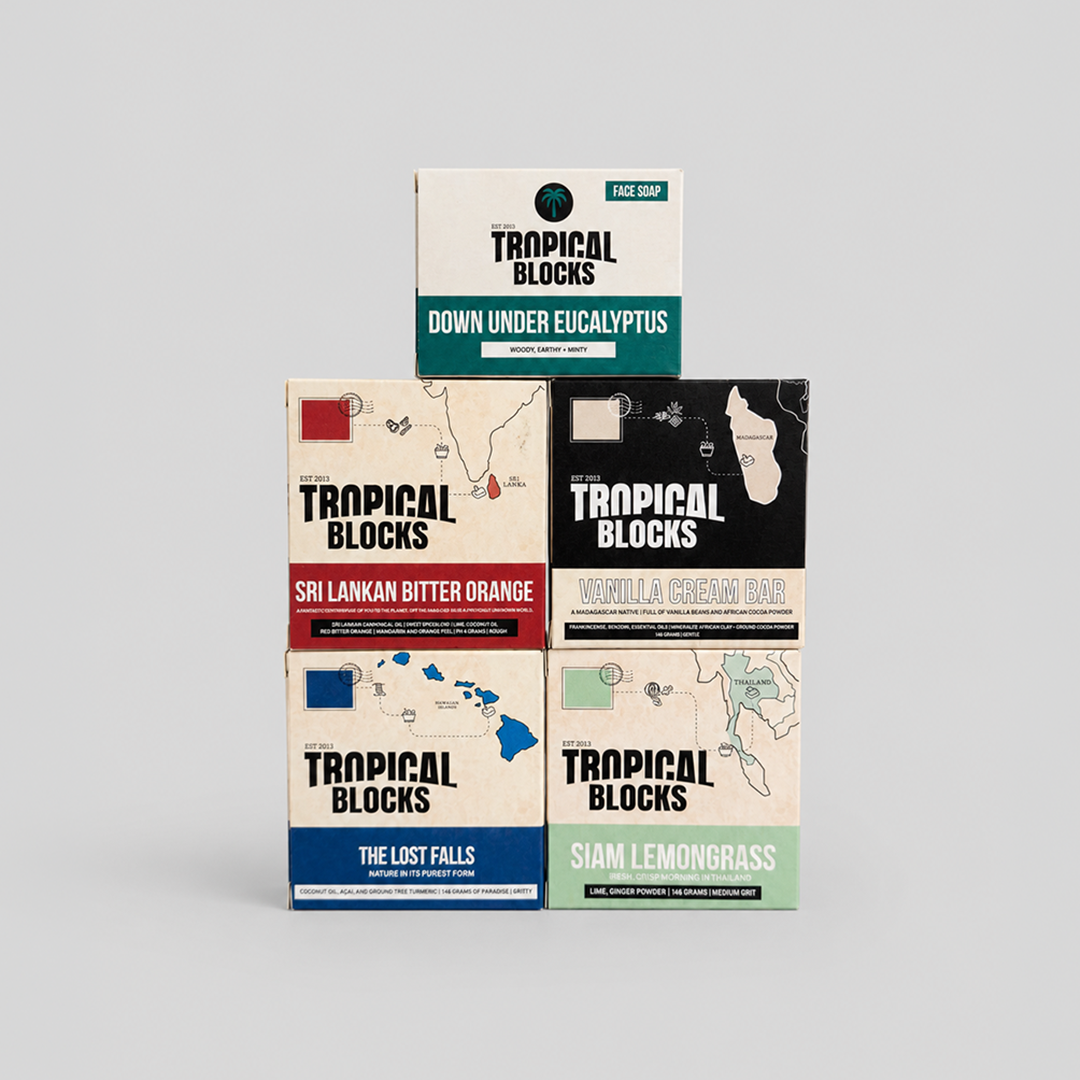
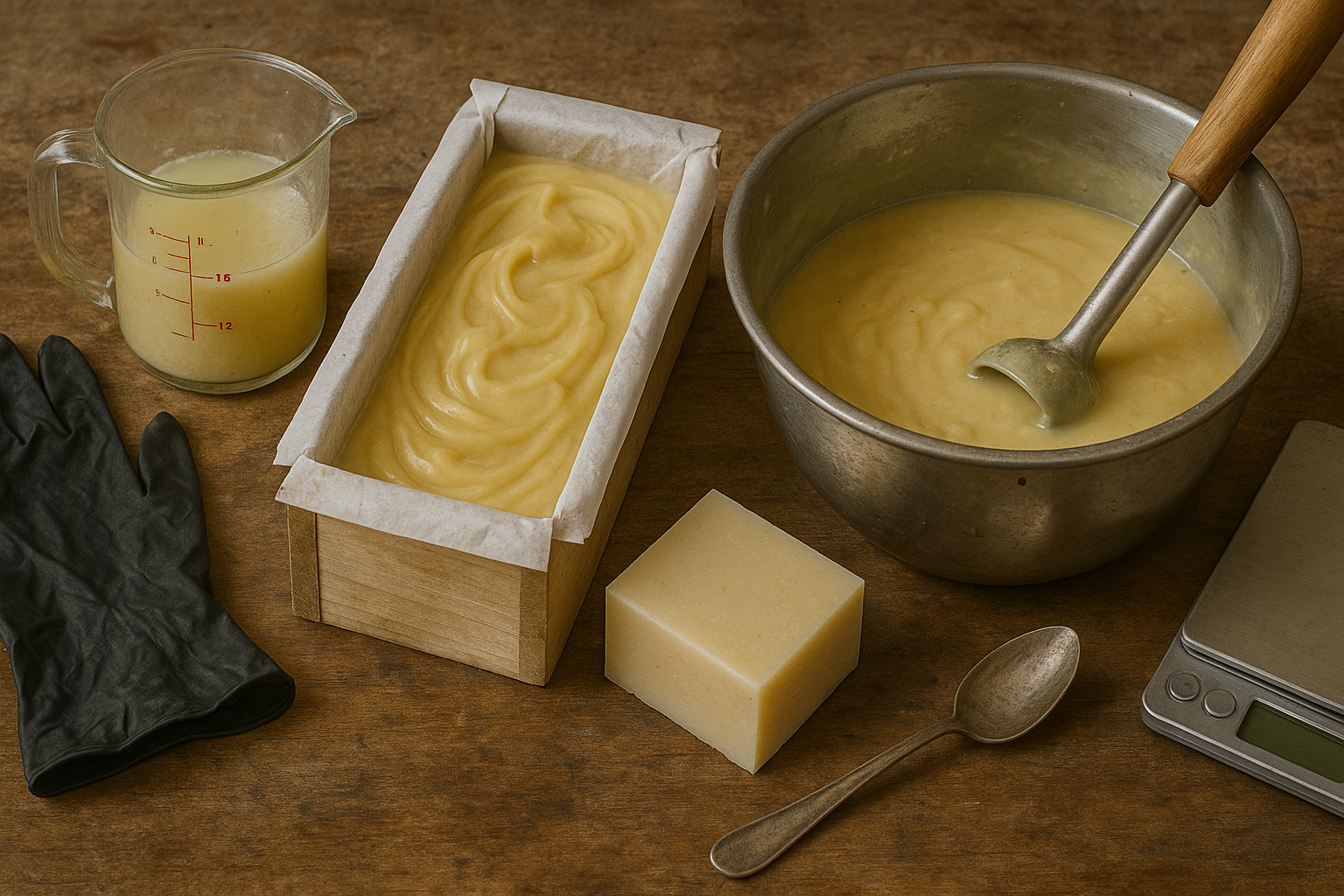
אם אתה גבר ממוצע, כל החיים שלך השתמשת בסבון תעשייתי נוזלי, זה שמוצאים בכל סופר. כשהייתם ילדים, אמא לא שאלה, פשוט הביאה את הסבון הרגיל, גדלתם, התחתנתן – גם בסטטוס הזה, אם אתם כמו רוב הגברים, אתם לא בוחרים את הסבון. בטח אתם מתקלחים עם ריח של לוונדר או מלפפון מעוצבים על בקבוק פלסטיק לבן. ואם כבר חברות הענק עושות טובה לשוק הגברים, הן משיקות ליין לגברים תחת המטריה של המותג הנשי. תודה אבל לא תודה. הגיע הזמן להפסיק להתפשר על הבריאות של העור שלנו ולעבור למשהו אמיתי ובריא יותר. הסבון, אולי המוצר הבסיסי ביותר בשגרת ההיגיינה (אחרי מים). אנחנו מנקים ומתקלחים איתו, לפעמים פעמיים או שלושה ביום. אז בואו ניכנס למקלחת, ונראה למה הבחירה בסבון טבעי היא לא רק בריאה יותר, אלא גם הגיונית בהרבה מכל בחירה אחרת – עד כדי כך שלא תהיה סיבה אחת לחזור להרגלים הישנים. הסבון תעשייתי (נוזלי) זה הסבון הזה שכולנו גדלנו עליו, סבון נוזלי בבקבוק פלסטיק מעוצב וממותג. הוא כן מנקה (כי הוא סבון), אבל זה לא אומר שהוא עושה טוב לעור שלך. זה מכוון שרוב הסבונים התעשייתיים עשויים מתערובת נהדרת של כימיקלים וחומרים סינתטיים שמיועדים להוזיל ולהאריך את חיי המוצר. אחרת, איך הוא יהיה תעשייתי? זה כולל: כימיקלים, ריח סינטתי (מלאכותי), חומרים משמרים כמו פארבנים, ולעיתים גם חומרים שעלולים לגרום לגירוי או ליובש של העור. מה שקורה, שלמרות שסבונים האלה כן מסירים לכלוך על העור, על הדרך הם מסירים את שכבת ההגנה הטבעית של העור, וכתוצאה מכך, אתם נשארים עם תחושת ניקיון זמנית, יובש וגירוי מתמשך. מתכון גרוע לאלו עם עור יבש במיוחד בחודשי החורף. בנוסף, סבון רגיל נמצא בתוך בקבוק פלסטיק. זה אומר, שבממוצע, אם אתה משתמש בסבון ושמפו, אתה צורך שישה בקבוקי פלסטיק כל שנה! עכשיו תספרו את זה במיליוני אנשים. לא עדיף להיות חלק מהפתרון ולא חלק מהבעיה? סבון מוצק טבעי לגבר: מהפכה קטנה בכל מקלחת חדש סבון טבעי בדרך כלל מגיע בצורה של סבון מוצק, על מנת להכיל את הרכיבים הטבעיים. הוא מיוצר בעבודת יד (cold press soap making), ובכמויות קטנות בהרבה מהסבון התעשייתי. בדרך כלל במנות של עשרות. הוא מכיל שמנים אתריים, כמו שמן קוקוס, שמן זית, שמן אקליפטוס ועוד, כנ״ל רכיבים טבעיים בצורת אבקות או טחינה, כמו אבקת ג'ינג'ר, פלפל, עץ תה, שיבולת שועל ועוד. הרכיבים האלה מאפשרים לעשות פילינג עדין לעור וזה עוזר לחדש תאים, בזמן שהשמן האתרי מזין את העור בלחות – בניגוד לסבון תעשייתי, הסבון הטבעי שומר על גליצרין, חומר לחות טבעי שמזין את העור ומשאיר אותו רך, מאוזן וריחני באמת. סבונים טבעיים לא מכילים פארבנים או כימיקלים אחרים, ולרוב, ללא ניחוחות סינתטיים מיותרים. בנוסף, אם תשתמש בסבון מוצק, תצרוך 6 בקבוקי פלסטיק פחות ותזיקו פחות לכדור הארץ. עוד יתרונות בשימוש סבון טבעי ומוצק שקיפות מלאה! מה שאתם רואים – זה מה שאתם מקבלים אם תהפכו את המארז של סבון טבעי של טרופיקל בלוקס, אתם תראו רשימת מרכיבים ברורה ושקופה: שמנים, חמאה, תמציות אמיתיות, אבקות. הסבון תעשייתי? קדימה, תהפכו את הבקבוק, אנחנו מקווים שתבינו יותר מ 20% מהרשימה הביוכימית. אתם תראו מלא שמות לא מוכרים, "ניחוחות סודיים" ותוספים שעדיף לא לשים על העור. הבקבוק עשוי להיות שקוף, אבל מה שהוא מכיל – הרבה פחות. בריאות העור: לחות, לא יובש הסבון הטבעי שומר על עור לח, ולא מסיר את השכבה שמגנה על הלחות בעור. הוא מתאים במיוחד לעור רגיש, יבש או מגורה. הסבון התעשייתי לעומת זאת עלול לפגוע במחסום ההגנה של העור, ואם יהיה שימוש ממושך, חלק מהמחקרים מראים שהוא עשוי להזיל יותר מאשר להועיל לעור. קיימות: השפעה על הסביבה סבון טבעי ארוז בחומרים מתכלים, ולא עושה שימוש בפלסטיק, שמייצר מינימום עקבות של פחמן דו חמצני (minimal carbon footprint). סבונים תעשייתיים? ארוזים בבקבוקי פלסטיק חד-פעמיים, עם כימיקלים שמזהמים את מי התהום. כידוע, לוקח לפלסטיק עשרות שנים להתכלות. תהליך ייצור: אהבה מול קו ייצור הסבון הטבעי נוצר באהבה, בתשומת לב ובקפדנות לפרטים (אחרת זה בלתי אפשרי). זאת שאלה קלאסית של איכות מול כמות. סבונים תעשייתיים? עשויים במכונות ובפס ייצור מפעל (קר). ריח: אמיתי, לא צורב השמנים האתריים בסבון הטבעי נותנים תחושת רעננות טבעית ונעימה. בנוסף, הריח טבעי, במיוחד כשמדובר בסבון לגברים, מי רוצה ריח של בושם מהסבון? בשביל זה יש בושם. סבונים תעשייתים? הריח חזק, סינתטי, ולעיתים צורב. מחיר: לא הוצאה – השקעה סבון טבעי עולה יותר. אבל גם מחזיק יותר זמן, לא מתבזבז מהר, ולא מצריך "תיקון" עם קרם לחות. זו בחירה חכמה, בחירה טבעית ובריאה עבורכם ולסביבה שמשתלמת בהרבה בטווח הבינוני והארוך. סבון מוצק וטבעי - הבחירה הטבעית בגדול, אין תחרות בין סבון מוצק וטבעי מול סבון תעשייתי. האמת, אין סיבה אחת שאנחנו רואים לנכון להשתמש בסבון תעשייתי. אנחנו בטרופיקל בלוקס מציעים אלטרנטיבה אמיתית, שברגע שמנסים אותה, לא חוזרים אחורה להרגלים הישנים. טרופיקל בלוקס: הסבונים שלנו טבעיים ומיוצרים בעבודת יד קפדנית, על אי טרופי באמצע האוקיינוס השקט. אנחנו מייצרים את הסבונים עבור גברים שמחפשים משהו אחר. יש לנו קו של 8 סבוני גוף ו-2 סבוני פנים טבעיים שעשויים רק ממרכיבים מאזורים טרופיים בעולם (מכאן השם). אז אם אתה אוהב ריח טרופי, טבע, אז יש לנו בשבילך אלטרנטיבה לכל מה שהשתמשת עד היום, כדי שתוכל לייצר עבורך חוויית מקלחת חדשה. · רכיבים שיעשו פילינק טבעי לעור שלך · ללא כימיקלים · ללא שימוש בפלסטיק · סבון גדול במשקל 140 גרם · ריח טרופי ואקזוטי רוצים לדעת איך מרגיש סבון אמיתי? כנסו ותריחו. https://tropicalblocks.com
Learn more
Where do the tropics end and the "other" world begin? A journey to the unseen ends of the Earth
The Himalayas are a vast mountain range with the world's highest peaks, including Mount Everest. The range spans several countries, including Bhutan, Nepal, India, Pakistan, and China, forming a sharp boundary separating the plains of the Indian subcontinent from the Tibetan Plateau, while its slopes lie just above the Chiang Mai region in northern Thailand. Have you ever wondered where the endless Sahara Desert ends and the Atlantic Ocean begins? Where on Earth is the North Pole no longer considered the North Pole? Encounters between vast natural areas and different climates define the borders, but at the same time – they also constitute a fascinating natural wonder. There is probably a point where the boundary between the tropics and the temperate zone is crossed. But where exactly? Is there a city that is divided between tropical and non-tropical? Here at Tropical Blocks we ask these questions. Because the tropics are at the heart of everything we do. In this article, we even managed to locate a frame from an 80s film that shows where frozen snow ends and tropical regions begin! Read on and find out for yourself. We're embarking on a journey to the limits of the tropics! Two lines define the boundaries of the tropical zone The tropics extend from the Tropic of Cancer in the north to the Tropic of Capricorn in the south. They include the equator, parts of America, Africa, Asia, and Australia, and constitute more than a third of the world's land area and population. Is this the border? Not exactly. There is no clear sign on the ground, just as the desert looks the same both north and south of the US-Mexico border: Two geographical climates: tropical and temperate The Earth's tilt is what causes the difference between the regions: the tropics experience only two seasons – wet and dry. In contrast, outside of it, there are four seasons. The Four Seasons Hotel in Seychelles The word "tropic" in Greek means "change of direction." Journey to the tropical belt For example: 92% of Brazil is within the tropical zone. The latitudes of the Tropic of Cancer and Capricorn cross many cities: The Cancer Circle passes through: Guangzhou, China Bhopal, India Muscat, Oman Little Exuma, Bahamas Mazatlan, Mexico The Capricorn circle passes through: Longreach, Australia Toliara, Madagascar Rehoboth, Namibia Sao Paulo, Brazil Tubuai, French Polynesia This tower marks the Dodecahedron in Guangzhou: Tropical deserts There are tropical deserts! Like in Chile, cold water rises from the sea and prevents clouds. The result – dry areas but rich in unique life. Indiana Jones and the Tropic of Capricorn Remember that movie from the 80s where you plummet from a snowy mountain straight into a hot jungle? This is exactly what the most extreme transition between regions looks like! Watch the opening scene here Bosten Lake, China Here the desert meets fresh water and green vegetation – a spectacular combination of contrasts. Summary There is no clear boundary. The transition between tropical zones is gradual, but it is there. As we at Tropical Blocks like to say – sometimes the magic lies precisely in those boundaries. About Tropical Blocks We produce the highest quality natural soaps, straight from the tropics. Want to read more? https://tropicalblocks.com Life on the edge of the Taklimakan Desert
Learn more
Following the bathing secrets of the ancient Polynesians in Bora Bora
Flight to the islands of French Polynesia About eight hours after takeoff, we started seeing only blue through the windows. Even if we were to fly into space and peer out the window, we wouldn't be able to figure out where the ocean ended. It's no wonder Polynesia is considered one of the most mysterious regions on Earth. During our flight from Tahiti to Bora Bora, we wondered how long it took explorers like Captain Cook and Magellan to reach this uncharted tropical paradise. As the world's only manufacturers of tropical soaps for men, we realized that the best way to understand how the ancient Polynesians invented and used soaps was to simply go to Polynesia. Arriving in Bora Bora Landing in Bora Bora was like entering a dream. From a distance, the tropical island looked like a piece of paradise in the middle of the ocean, with lush vegetation, cliffs, white sand, and crystal clear waters. Once we were off the runway, it was impossible to ignore the sweet smell of tropical fruits in the air. At some point, we arrived at a wooden hut and were welcomed by the chief of the Polynesian tribe. The ancient soaps of Polynesia The chief of the tribe shared with us old records found on the island, from Captain Cook's visits there in 1769 and 1777, in which he described how the Polynesians would bathe three times a day, and both men and women would remove all their armpit hair, which indicates an impressive level of hygiene and aesthetics compared to other ancient civilizations. Then, the chief gathered some sand in his hands, and said: "The edge of the beaches marked the edge of the world, where the island ends and the ocean begins. We had no continents like America or Australia." According to ancient records, coconuts were abundant at the time, and the Polynesians used them as the main ingredient for soap. They would collect the bark, leaves, and roots of certain plants, crush them, and blend them into a coconut pulp that was used as soap. Today, we know that applying coconut to the skin helps remove oils and dirt, moisturizes and nourishes, and that coconut has antibacterial properties, and even speeds up the healing and recovery of wounds. The traditional method of making soaps by the ancient Polynesians is considered environmentally friendly because it used renewable resources, did not include animal fat, and did not produce harmful waste. As we looked around, nature revealed itself to us in its purest form. We felt as if we were as far away as possible from the big, busy cities we live in every day. It was as if someone had taken all the ingredients of paradise—coconuts, fresh water, pure white sand, exotic plants—and combined them together into one soap. That’s exactly what we do at Tropical Blocks . Polynesia and the inspiration behind Tropical Blocks soaps The inspiration behind the Tropical Blocks soap series comes primarily from tropical regions around the world, from Costa Rica to Sri Lanka, Thailand, Australia and Polynesia. All of these places are within the Tropic of Cancer—the area between the Tropic of Capricorn and the Tropic of Cancer. This is what makes our soaps so special. We have sought out the finest ingredients from nature and incorporated them into our soaps, with each soap accurately capturing the essence of the tropics. If you are adventurous, curious, or simply miss an exotic area you have traveled to in the past, we have two soaps that will suit you perfectly: MAROONED IN COCONUT ISLAND – Soap containing coconut and coconut chips, with a heavenly scent. THE LOST FALLS – A soap with a refreshing scent reminiscent of pure water and wild nature. For more information about our soap line, visit our website: https://tropicalblocks.com . Note: This article was heavily inspired by Christina Thompson's fascinating book, Sea People, The Puzzle of Polynesia . She wrote the book for anyone captivated by the magic of Polynesia and the Pacific Ocean.
Learn more
Back to the Source: 5 Reasons Why Bar Soap Symbolizes Modern Masculinity
For years, men have tended to use liquid soaps when they wanted to maintain their daily hygiene. In an ideal world, they would use soap designed for men, but in reality, men almost always use their partner's or mother's soap (depending on whether they live at home with their parents or not). Fortunately, recently there has been a preference for solid, masculine soap over liquid soap, in order to enjoy a more authentic bathing experience. There are several reasons for this. Liquid soaps Liquid soaps have been a popular product for men and women for many years. They are convenient to use, well packaged, and do not dissolve like regular bar soap. However, liquid soaps in plastic packaging have quite a few drawbacks. Here are two of them: Including chemicals Companies tend to add chemicals and synthetic additives to liquid soaps to produce lather, but these substances can be harmful to the skin. Ingredients like sulfates and parabens can cause skin irritation and other health problems. Environmental aspect The environmental impact of liquid soaps cannot be ignored. Most (if not all) of them are packaged in plastic bottles, which contributes to the accumulation of carbon dioxide (CO2) in the world. Liquid soaps typically require more water and energy to produce than bar soaps, and even if the plastic bottles are recycled, the recycling process itself is energy-intensive and emits carbon dioxide, which leaves a significant ecological footprint. Regardless, data shows that only 10% of the world's plastic is recycled. Most men understand the many benefits of using natural bar soap. Five reasons why men choose natural bar soap Solid soap is like a solid rock. It’s not just that people are back to buying records. In a world where digitalization has become the norm, men still have a strong connection to tangible things. The need to hold something in their hands, to feel its weight and to be sure that it’s real is deeply ingrained in male nature. Just like the difference between opening a book and smelling the pages versus ‘holding’ a digital book. Solid soaps provide men with the sense of tangibility they want and love. Each bar of soap has its own unique feel and texture. Solid soaps contain essential oils and other ingredients that exfoliate and are excellent for peeling off dead skin and refreshing the skin. Besides removing dirt and dead skin cells, the "rough" texture of the soap gives a masculine feel, making it the preferred choice for men. The more forceful the soap is applied to the skin, the more thoroughly and deeply it exfoliates. Exfoliating ingredients that can be added to men's soaps: Ground apricot kernels Crushed walnut shells Oatmeal Coffee beans Black pepper Sea salt Pure sand Coconut shell Vanilla pods Ginger powder Poppy seeds Tropical Blocks Bamboo and Aloe Soap Unique fragrances in natural soaps When making natural soaps and trying to develop special scents, it's often a matter of trial and error. In fact, this is another thing that sets them apart from commercial soap makers, who often use synthetic scents. The process of making natural soaps involves careful selection and combination of essential oils from plants and flowers. This way, you get authentic scents that are better for your skin than the synthetic ones in commercial soaps. Whether it's the refreshing scent of mint, the sweetness of vanilla, the tartness of lemongrass, or the deep aroma of cinnamon — natural soaps are on a whole other level. The attractive appearance of solid soaps Natural soaps grab attention with their unique colors, textures, and shapes. Unlike the clear liquid soap hidden in branded soap bottles, natural soaps stand out with their colorfulness and unique appearance. The shades range from soft, soothing to bright, vibrant colors. The wide variety adds charm to men's shower routine, offering an exciting visual experience beyond the meticulous cleaning experience. DOWN UNDER EUCALYPTUS Soap by Tropical Blocks The prominent advantage of natural soaps Natural soaps are simple. They don't hide behind labels in polluting plastic bottles, and they don't involve the use of chemical preservatives. In the digital age where everything is abstract and a screen hides everything — men are looking for products whose appearance reflects the true content. No surprises. Our soap, which weighs 140 grams, dissolves after about 25 showers. Soap after soap, shower after shower. About us: Tropical Blocks At Tropical Blocks Soap and Co , we produce high-quality natural soaps, designed for those who appreciate the magic of showering with bar soap. Their unique soaps and scents from tropical regions provide a 'trip abroad' without leaving home. And along the way, we also promote a more environmentally friendly world. We offer a variety of natural soaps that enrich the shower experience and provide a sense of masculinity. When you choose our soaps, you enjoy nostalgia, a satisfying and enjoyable shower experience, while maintaining your cleanliness, well-being and the environment. For more details: tropicalblocks.com
Learn more
Palm trees aren't really trees... so what are they?
Palm and coconut trees Palm trees, or coconut trees, are amazing species of plants that can be found all over the world—well, not everywhere. They are most common near beaches, especially in tropical and subtropical regions, such as the Caribbean, South Florida, Hawaii, Southeast Asia, and Central and South America. There are over 70 species of palm trees, each with unique characteristics. They range from small, delicate palms (such as the Areca palm or the Mahader palm) to tall palms (such as the Tamar palm, the Queen palm or the Roystonia palm). They are known for their tall, thick trunks and lush leaves. Palm trees have also played an important role in a variety of cultures throughout history, with leaves and branches used for protection, shade, and even clothing for religious ceremonies and celebrations. With so much interesting history about palm trees, it's no wonder they continue to be popular and fascinating to people all over the world. But what if we told you that palm trees aren't really trees? So what are palm trees? Palm trees and coconut trees are not trees, but large plants! In more precise terms, palm trees are a type of evergreen plant known as monoecious, meaning they only have one seed leaf (sepal), unlike "normal" trees which have two, which allows them to develop branches. Also, trees have bark that thickens over time, while palms have a thin layer of bark that is constantly shed and replaced. This amazing photo of a palm tree was taken in Khao Lak, in southern Thailand: The differences between coconut trees and palm trees Coconut trees are a type of palm tree, but not all palm trees are coconut trees. The term "palm tree" includes many types, while "coconut tree" refers only to the type that produces coconut fruit. Here is a table comparing the two: aspect Coconut tree Palm tree type A specific type of palm tree A diverse family of palms Fruits Yields coconuts Yields other fruits (dates, acai, etc.) appearance Tall, unbranched stem with a crown of leaves Wide variety of leaf shapes and sizes Uses Food, oil, water, raw materials Decorative, shade, versatile uses Distribution Tropical coastal areas In a variety of climates and habitats Photos from the 'Marlin' Resort in Khao Lak, Thailand: The benefits and uses of palm trees Palm trees play an important role in many ecosystems—they provide food, shelter, and important services for both humans and animals. Palm oil Palm oil is extracted from the fruit of tropical palm trees and is widely used in the food and cosmetics industries. However, its production is a cause for concern among environmentalists due to deforestation and habitat loss. Therefore, there is a growing trend towards sustainable palm oil production. Coconut oil Coconut oil contains unique fatty acids, contributes to energy, heart health, and skin and hair. At Tropical Blocks, we use it in all of our soaps, including our signature soap – Marooned on Coconut Island . Shade and quality of life The broad leaves of palm trees provide pleasant shade, absorb carbon dioxide and improve air quality. Palms are drought-tolerant, making them suitable for landscaping in arid regions, and are an iconic symbol of tropical islands such as the Maldives, Bali and Koh Phi Phi. In conclusion Palm trees are not ordinary trees — they are large monocots with a breathtaking appearance, diverse uses, and a vital contribution to nature and man. So the next time you see a palm tree — remember: you are looking at an extraordinary tropical plant. About Tropical Blocks At Tropical Blocks , we make solid soaps for men, inspired by magical tropical regions. All of our soaps are natural, made with essential oils and quality ingredients — coconut, lemongrass, eucalyptus, vanilla, pineapple, and more. Visit us on the website: https://tropicalblocks.com/he
Learn more